

Kaas Plateau, also known as Kaas Pathar, is a high-altitude landscape in Maharashtra and a UNESCO World Heritage Site. For a trip from Mahabaleshwar, plan around its seasonal flowering and use Satara as the main route reference: the road journey from Satara is the most popular approach to Kaas.
- Location: Maharashtra, about 25 kilometers from Satara city.
- Typical flowering period: late August to early October, with timing depending on rainfall.
- Visitor slots: 7AM–11AM, 11AM–3PM and 3PM–6PM.
- Daily visitor limit: 3,000, with 1,000 visitors per slot.
Times checked November 2026.
How do you get from Mahabaleshwar to Kaas Plateau?
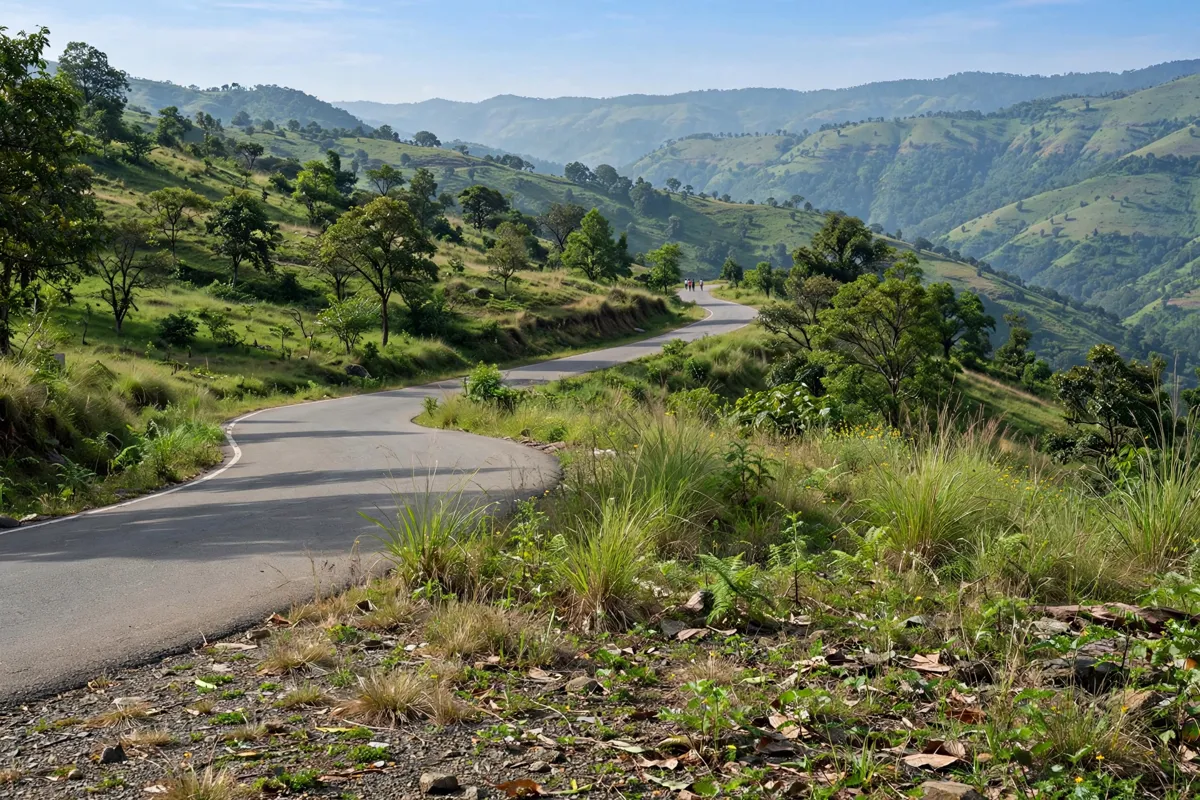
Satara is the main route reference: the road journey from Satara is the most popular way to reach Kaas, and Kaas Road is the scenic approach. The plateau is about 25 kilometers from Satara city, so use Satara as the waypoint when planning the road portion of your journey from Mahabaleshwar.
Satara Railway Station is the nearest railhead. From the station, you can hire a taxi or take a bus to Kaas.
For a Mahabaleshwar stay, HOTEL SUNRISE is a 3-star hotel.
When should you plan a Kaas visit?
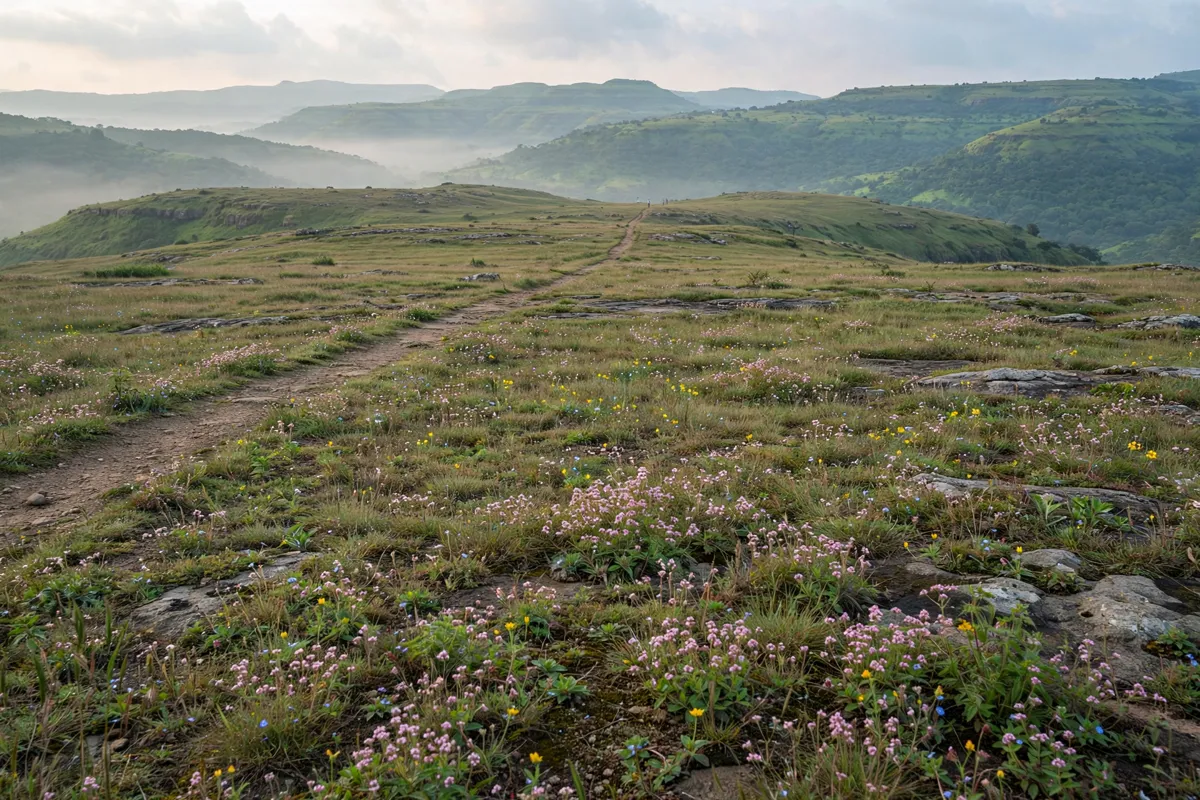
The main flowering period is generally late August to early October, but the timing of blooms depends on rainfall. That seasonal pattern makes the flowering landscape the key consideration when choosing when to go; it does not guarantee that flowers will be at their peak on a particular visit.
Kaas sits at an elevation of 1,200 meters in the Western Ghats. The plateau is known for seasonal flowering plants, including orchids and Drosera indica. Karvy is another notable plant there, blooming once every seven years.
If you are building a broader local itinerary, the one-day Mahabaleshwar sightseeing route covers a separate day-planning option.
Visitor entry is divided into three daily slots: 7AM–11AM, 11AM–3PM and 3PM–6PM. Choose a slot that suits your day’s route, and check the official site before you go for current entry arrangements and seasonal access details.
What can you see on the plateau?
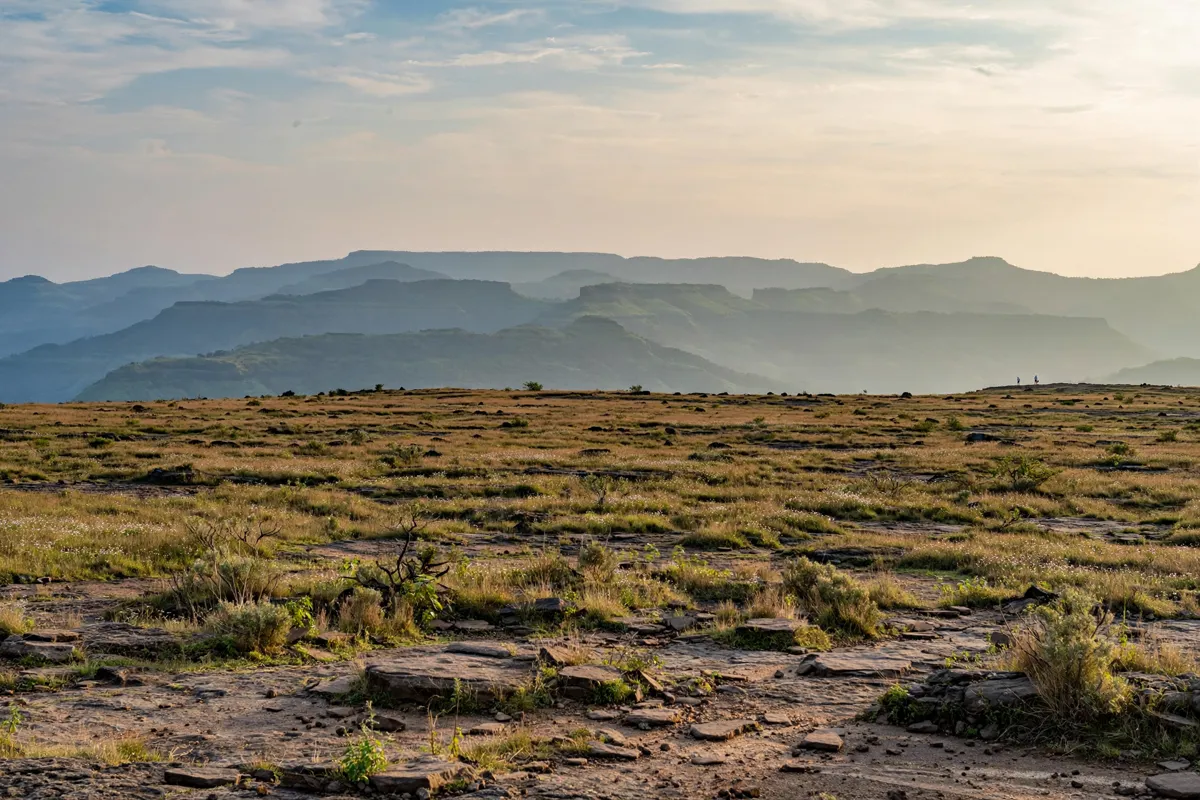
Kaas is an open plateau where seasonal flowering plants shape the landscape. Orchids, Drosera indica and Karvy are among the plants associated with the area, while the surrounding Western Ghats setting gives the plateau its broader landscape context.
Kaas Lake lies along the plateau’s southern edge. It is an artificial reservoir built more than a century ago to supply water to nearby villages, so it adds a distinct part of the area’s story beyond the seasonal flowers.
Thoseghar Waterfalls is another named natural attraction in the wider area, about 35 kilometers from Kaas. It can be considered as a separate stop when planning the region, but allow for its distance rather than assuming it is on the plateau itself.
What should you know about entry and visitor rules?
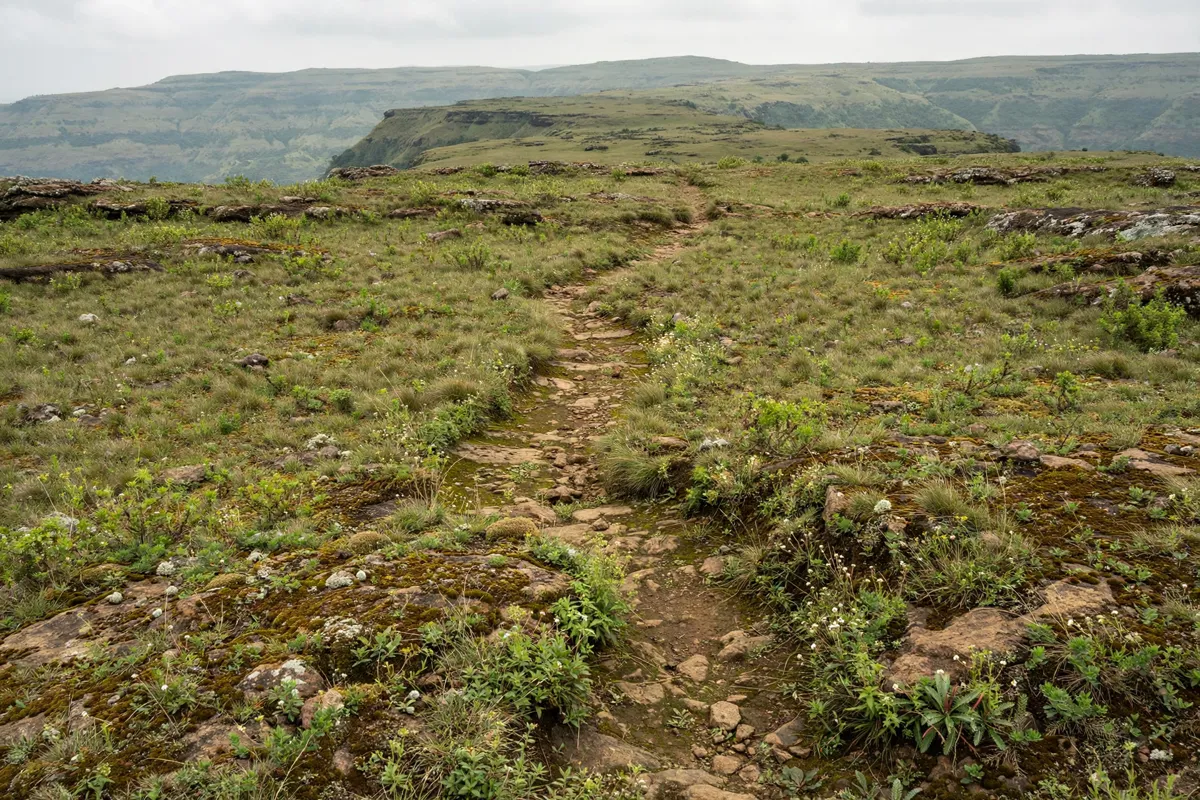
Entry uses timed visitor slots and a daily cap, so confirm the current arrangements before setting out. The listed limit is 3,000 visitors per day and 1,000 per slot; the three slots are 7AM–11AM, 11AM–3PM and 3PM–6PM. These details can affect which entry window you plan around.
Protect the plateau’s habitat by not littering, picking flowers or disturbing plants and wildlife. Slip-resistant footwear is recommended because monsoon terrain can be slippery and uneven. Keep to the visitor route and take care on the ground, particularly when conditions are wet.
For a nearby-town stop before or after the plateau, the Mahabaleshwar Town Bazaar guide can help you plan time in town.
How can you plan the return journey?
Keep the return leg in view when selecting an entry slot, especially if your plan includes both Kaas and another stop. The timed entry windows run from morning through the afternoon, and the Satara road is the main approach. Use Satara as your route reference when mapping the way back toward Mahabaleshwar.
If you are considering Thoseghar Waterfalls as an additional stop, remember that it lies about 35 kilometers from Kaas. Decide whether it fits your route before leaving the plateau, and allow your own travel time between stops.
FAQs
When is the flowering season at Kaas Plateau?
The main flowering period is late August to early October, but bloom timing depends on rainfall.
How do you reach Kaas from Satara?
The road journey from Satara is the most popular approach, and Kaas Road is the scenic route. Taxis and buses are available from Satara Railway Station to Kaas.
What should you avoid doing at Kaas?
Do not litter, pick flowers or disturb the habitat. Slip-resistant footwear is recommended because monsoon terrain can be slippery and uneven.